








The Quest for Intelligent Medicine: Is Technology the Answer?
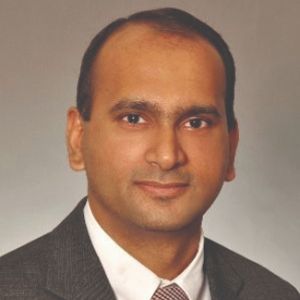
Dr. Shailendra Bajpai, Head of Disease Management and Stakeholder Engagement, Diabetes and CV Emerging Markets, Sanofi

Dr. Shailendra Bajpai, Head of Disease Management and Stakeholder Engagement, Diabetes and CV Emerging Markets, Sanofi
There has been a sea change in the field of ‘healthcare’ happening at a very rapid pace in the last decade or so. It involves redefining the key stakeholders, changing spheres of influence, evolving regulatory, legal, ethical and competitive landscapes, as well as focusing on ‘value based outcomes’. As the pharma pipeline dries up, the differentiation between different compounds in the same or similar classes of therapies becomes narrow with a strong need for enhancing the overall value proposition by different methods assumes importance. The ‘Beyond – Beyond the pill’ solution as I would love to call it is no more a matter of choice but a strategy to survive and grow. Use of technology across the healthcare value chain has emerged as the most ’disruptive’ of all changes, eventually benefitting the stakeholders, shareholders included, by creating a win-win situation.
The Pharma and the life sciences industries have traditionally been offering solutions by bringing innovative compounds, many of which grew up to become ‘Blockbusters’ merely based on the efficacy and safety data, and ‘one size fits all model’ to start with. However the scenario has changed fast and thick with each stakeholder questioning and demanding a more individualized approach and better solutions which are nimble, efficient, and convenient and can improve the quality of life and the overall wellbeing. This has given rise to finding solutions through the use of technologies which can support the initiation, optimization and adherence to medications, beyond the classical ‘drug’ ,‘devices’ and ‘service’ models. This has given rise to an important stakeholder the technology providers who are increasingly becoming a ‘key’ stakeholder in the whole value chain. For the first time, there has been more ‘Venture investing’ in Health-tech or Med-tech than in Biotech in 2018.That tells it all. In addition to the new wave of ‘integrated care solutions by using technology there’s a fast emerging category of standalone ‘Digital Therapeutics’ or DTx which can also complement the existing treatment pathways. Watch out for this space which might be a game changer for the ‘healthcare’ industry. Although this ‘revolution is led by more techno-preneurs, who would love to be called techno-medi-preneurs’ the opportunity was quickly realized by the big tech giants and big pharma alike who came together to identify and mint solutions to make use of this ‘opportunity’. Today, if you go around looking into the big names, either, in tech or life-sciences all of them have quite a few alliances and different models to churn out tech-based solutions and create a patient-centric ecosystem of key stakeholders—connected health.
The goldmine of the data being collected can be read through in real-time; it becomes self-validating and is ready to use by the providers and the patients
Let’s take the oft quoted example of ‘Diabetes’ as a ‘prototype’ disease for creating a truly individualized, outcome-based patient centric ecosystem. Today we have some of the best medications including designer insulins and other classes of drugs to manage this disease that has reached ‘epidemic’ proportions across the globe with deep foot prints in several of the developing countries, which are unfortunately the most resource constrained. More than 3/4th of this global burden lies in the LMIC (low and middle income countries) with a meager under 20 percent healthcare expenditure in this part of the world. Surprisingly the situation related to better disease control however is also not much different in the ‘developed world’ where the surrogates of diabetes control and associated metabolic abnormalities have not really improved in spite of the availability of some of the best in class medications and good facilities. This remains a big area of contention—what is it that is not working. I think this is no rocket science, as we all know there’s a human factor involved every single moment of our lives, which influences several decisions. A medicine is only as good as it is taken or not-taken and in the right dose for the right time and for the right duration. Many a times, if you have even addressed issues like the access etc., the human behaviors willingly or unwillingly influences the choices impacting the disease management. I see that technology can be a great enabler in this area in addition to some of the good medications, being provided by excellent care givers out there. We are a ‘social animal’ by definition, how does it influence our wellbeing positively or otherwise? Here, again, integrating technology as an enabler to improve behaviors, provide peer-support and guidance can do wonders in this area.
Sanofi is already partnering with Verily, a Google company, for it virtual diabetes clinics in US, with a scope to expand further. There are also partnerships with quite a few device companies as well as other tech providers to analyze the tons of data and plough it across the value chain right from the R&D to securing access to patient care.
There is an urgent need of having an integrated ecosystem involving key stakeholders, device and data companies, scientists, practitioners, payers and advocates who can bring together these solutions and create a ‘unique’ solution for each patient. The goldmine of the data being collected can be read through in real-time; it becomes self-validating and is ready to use by the providers and the patients.
The good news is that this is happening and is benefiting the key stakeholders – patients and their families taking care of their ‘life’ not just managing their’ lab reports’ or ‘disease state’. A more concerted approach by bringing every stakeholder on the table , creating shared services, data pool and providing opportunities of customized delivery of services and solutions , ranging from 3D drug dispensers , personal or at community/pharmacy levels to the hybrid peer support and education models will go a long way in achieving ‘health’ beyond just ‘disease control’.
Disclaimer: The views expressed herein are in a personal capacity as a SME and do not reflect the views, opinion or position of Sanofi.

